The reasoning layer your agents actually need
Agents without shared context make decisions in silos and forget what worked. We build the Context Object, Context Repo and knowledge graphs that sit underneath your agents a reasoning layer with guardrails, so every decision is grounded, governed and reusable.
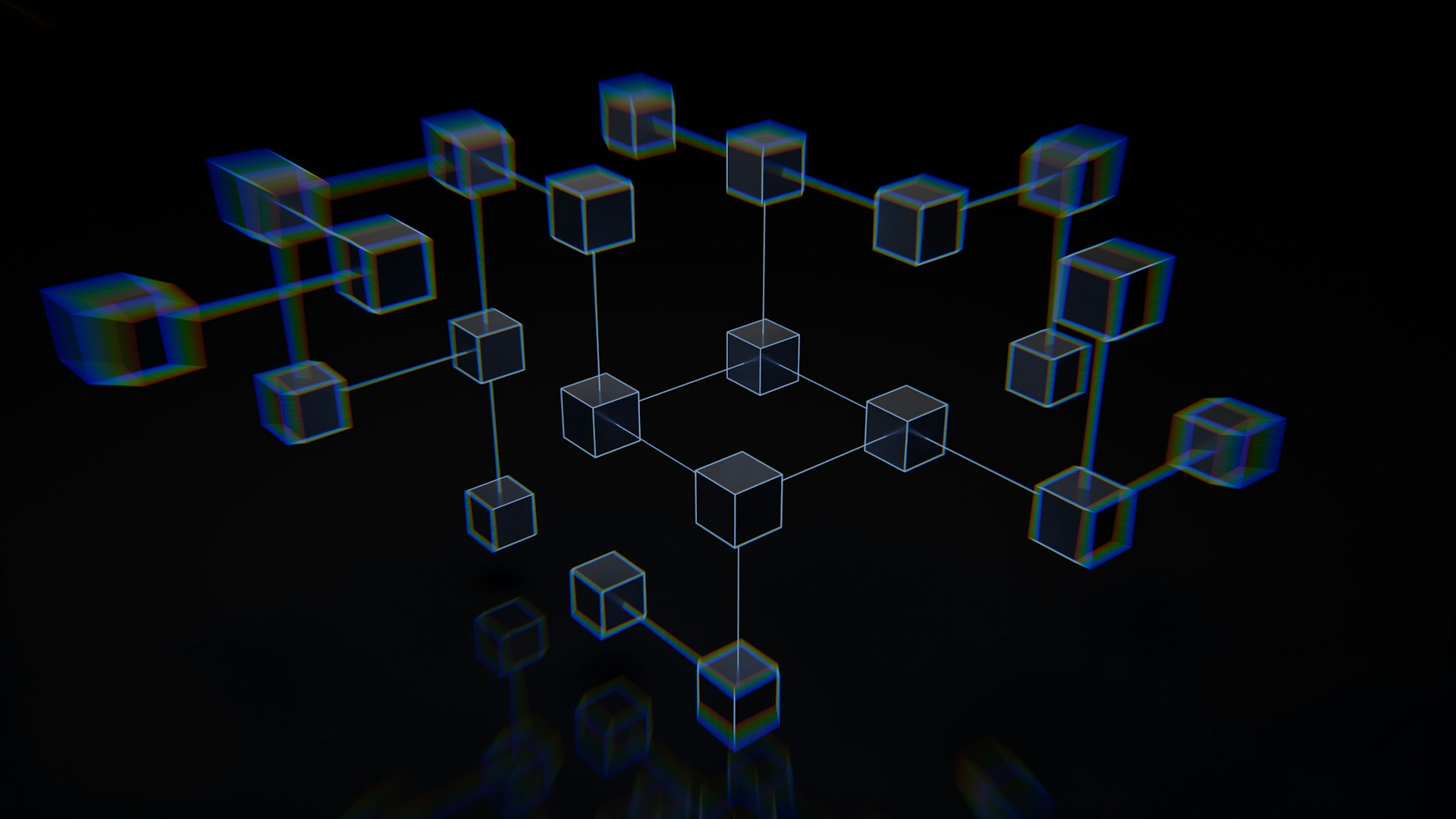
We wire PMS, CRM, booking engines, channel managers, revenue management systems and Systems of Knowledge into a single Context Repo.





From Systems of Record to System of Decision
We turn a fragmented stack into a single reasoning surface. Systems of Record PMS, CRM, booking engines and Systems of Knowledge Notion, Slack, Confluence feed one Context Repo that every agent reads from and writes to. That is how a System of Record becomes a System of Decision.

The Context Object at the core
Your AI strategy is only as strong as the data it sits on.
We design scalable, cloud-native architectures using battle-tested patterns that ensure your data is accessible, secure, and ready for downstream AI models.
What the Context Object captures:
Entities guests, bookings, rooms, flights
State live data from every business system
Decisions and outcomes the memory agents lack
Why the layer compounds advantage
Every booking, upsell, reschedule and service recovery writes back to the Context Repo. Agents stop repeating yesterday's mistakes and start getting better at tomorrow's decisions. That compounding loop is the Decision Moat.

Grounded decisions, not guesses
With a shared Context Object, every agent sees the same live state and the same decision history. Predictions stop being theatre agents act on grounded truth and their outcomes feed the next decision.

Reuse, do not rebuild
New agents reuse the Context Repo and knowledge graph instead of re-integrating PMS and CRM every time. Teams ship the second and third agent in a fraction of the time decision memory is a shared asset, not a per-project cost.

Model-agnostic by design
Models and vendors change monthly. The Context Repo, knowledge graph and guardrails stay. Your agents swap underneath; your decision memory the actual moat stays yours.
Guardrails baked into the layer
AI demands high-quality data.
We implement clear governance standards, validation layers, access controls, and monitoring so your organisation operates with confidence and your AI outputs stay accurate.
This includes:
Policy-aware decisioning at the layer
Full decision and outcome traces
Escalation thresholds for high-risk cases
Role-based access across Context Repo

Questions & Answers
Short answers on how the Context Repo, knowledge graph and guardrails actually get built.
Without shared context, every agent makes decisions in a silo and forgets what worked. A Context Repo gives agents live state, policy and decision memory in one place the difference between an agent that guesses and one that reasons.
A first Context Object on one decision loop pricing, upsell or service recovery runs in 6–10 weeks. The Repo grows with every new agent, so you are never starting from scratch after that.
No. Snowflake and cloud warehouses store and govern data beautifully they do not store decisions. The Context Repo sits beside them and captures what the warehouse never did: what the agent decided, what happened, and what to do next.
Guardrails are policy, escalation and audit rules that sit inside the Execution Layer. They intercept before an agent commits a decision to a System of Record high-risk actions escalate, everything is logged, every action is auditable.
We map each system, extract its entities into the knowledge graph, and wire bidirectional flows into the Context Repo. Nothing gets ripped out the layer sits on top and gives every downstream agent one coherent view.
Start with the Context Object
Pick the decision loop you want to compound. We will design the Context Object, wire it into your stack, and turn your data foundation into a reasoning layer.